Most SCTs are detected during a routine second-trimester ultrasound, when I can identify a tumor developing near your baby’s tailbone or buttocks. After making the diagnosis, I will carefully evaluate the size of the tumor, how quickly it is growing, and how it is affecting your baby’s health. Together, we will discuss what to expect during the rest of your pregnancy, plan the safest approach to delivery, and prepare for the care your baby may need after birth.
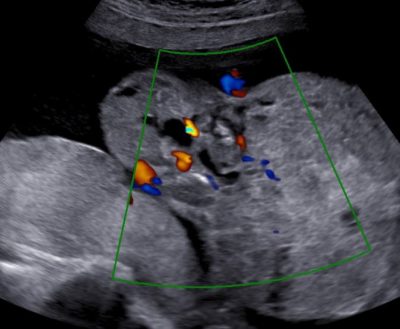
Some SCTs grow rapidly and require a large blood supply. As the tumor enlarges, your baby’s heart has to work harder to pump blood to the tumor, placing additional strain on the heart. This increased workload may also cause your baby’s kidneys to produce more urine, leading to an excessive amount of amniotic fluid, a condition known as polyhydramnios. I will monitor you closely for signs of polyhydramnios, which may cause your uterus to measure larger than expected for your stage of pregnancy and can increase the risk of preterm labor.
In more severe cases, if the tumor continues to grow, your baby’s heart may no longer be able to keep up with the increased demand. This can lead to fetal heart failure, also known as hydrops fetalis, a serious condition that requires urgent evaluation and specialized fetal care. Throughout your pregnancy, I will perform regular ultrasound examinations to monitor your baby’s heart function, the growth of the tumor, and your overall well-being.