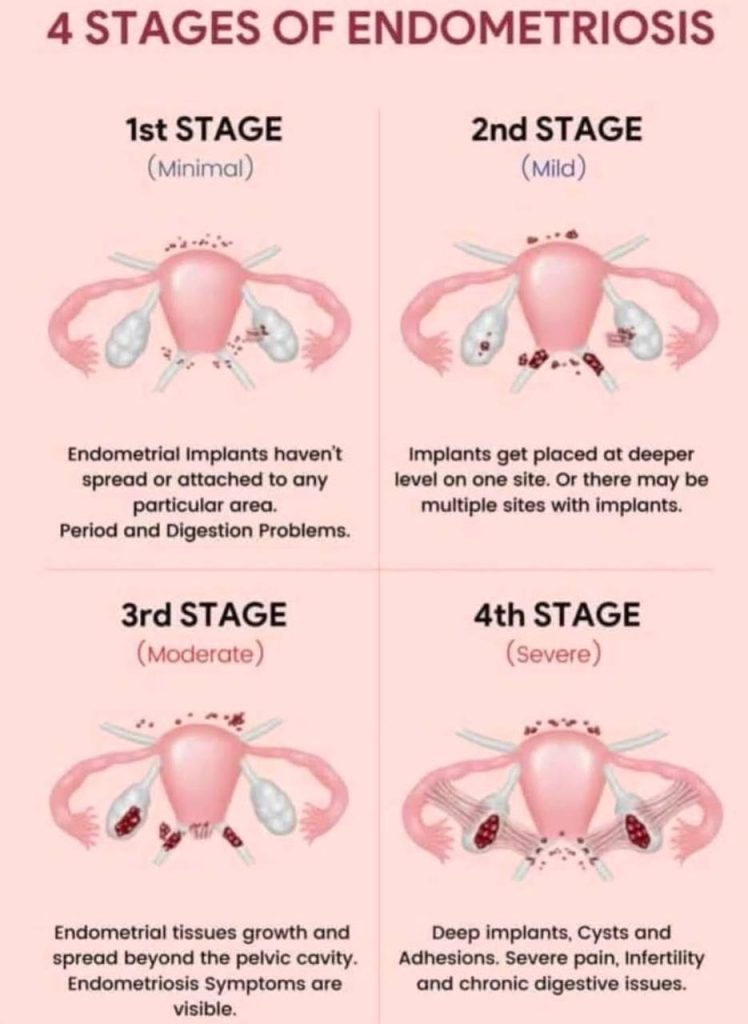
Endometriosis is a disorder that causes tissue that is similar to the tissue that lines the inside of the uterus (called the endometrium) to grow outside of the uterus. It usually involves the ovaries, fallopian tubes, and the tissues that line the pelvis, though in some rare cases, tissues may be found beyond the pelvic region. With endometriosis, the endometrial-like tissue thickens, breaks down, and bleeds with each menstrual period. However, because this tissue has no way to leave the body, it becomes trapped, and surrounding tissue can become irritated, developing into scar tissue and adhesions. This disorder is often associated with the following signs and symptoms:
- Painful periods
- Pain with sexual intercourse
- Excessive bleeding during or between periods.
- Pain with urination or bowel movements.
- Infertility
- Fatigue
- Constipation, bloating, or nausea
- And more.
HOW IS ENDOMETRIOSIS DIAGNOSED?
If you are experiencing symptoms that may be caused by endometriosis, I will begin by taking the time to understand your concerns. I will ask about your symptoms, menstrual history, medical history, and how your condition may be affecting your daily activities, fertility, or quality of life. I will also perform a pelvic examination to check for signs of endometriosis, such as tenderness, ovarian cysts, or scar tissue that may have developed as a result of the condition.
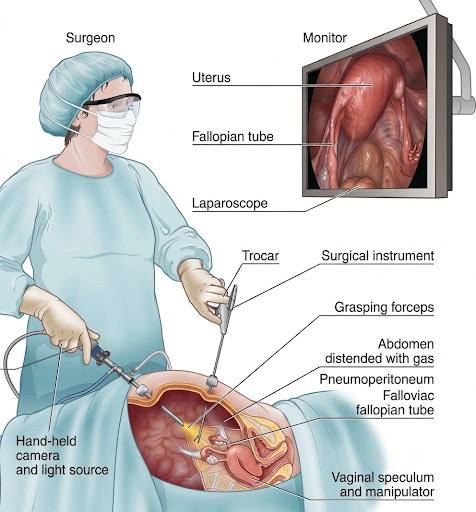
If I need more information to confirm the diagnosis or assess the extent of the disease, I may recommend additional tests. These may include a pelvic ultrasound to evaluate your ovaries and reproductive organs, an MRI to obtain more detailed images of areas affected by endometriosis, or, when necessary, a laparoscopy, a minimally invasive surgical procedure that allows me to directly examine the pelvic cavity and confirm the diagnosis.
ENDOMETRIOSIS TREATMENT OPTIONS
Many individuals with endometriosis complain of discomfort and other symptoms that disrupt their daily lives. While there is no cure for this disorder, there are ways to manage symptoms. The best approach for you will depend on the severity of your symptoms, as well as your plans for pregnancy in the future. Possible treatment options may include:
- Pain Medications: If your endometriosis is causing painful symptoms, over-the counter pain relievers such as Motrin, Advil, Aleve, or others may be recommended.
- Hormone Therapy: Painful symptoms may be reduced with supplemental hormones. This is because the rise and fall of hormones during your period cause
endometrial implants to thicken, deteriorate, and bleed. Hormonal medications may slow the growth of endometrial tissue and prevent new implants of this tissue. Common hormonal therapies may include hormonal contraceptives, progestin therapy, gonadotropin-releasing hormone (Gn-RH) agonists and antagonists, or aromatase inhibitors. - Conservative Surgery: For women with endometriosis who wish to become pregnant, surgery to remove the endometriosis implants while retaining the uterus
and ovaries can increase your chances of future conception. This procedure may be performed laparoscopically or through traditional abdominal surgery. - Hysterectomy and Ovary Removal: For more severe cases of endometriosis or for women who do not wish to become pregnant in the future, a hysterectomy (removal of the uterus) along with oophorectomy (removal of the ovaries) may be an effective option. It is important to understand that this surgery will result in menopause.