
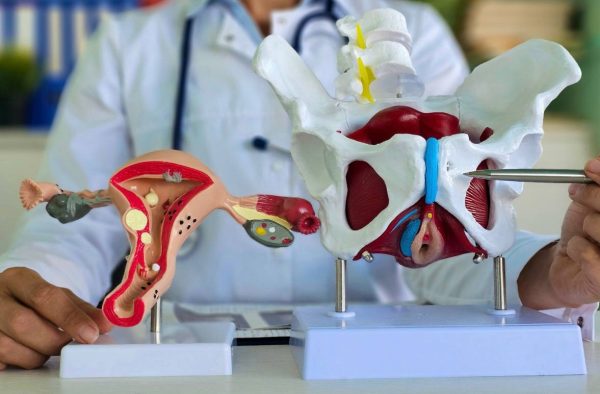
Urogynecology is a specialized field of gynecology and obstetrics that deals with female pelvic medicine and reconstructive surgery. Doctors specializing in this field can evaluate, diagnose, and treat pelvic floor conditions such as pelvic organ prolapse, bladder or rectal incontinence, reproductive issues, and more. The pelvic floor is the area of the body that supports the bladder, reproductive system, and rectum.
When an individual is experiencing pelvic floor dysfunction, their pelvic muscles cannot properly work together or relax. In cases where these muscles cannot relax, patients may experience constipation, frequent urination, trouble controlling their bowels or bladder, or pain during sex. There are many different factors that may trigger pelvic floor disorders, including:
- Aging
- Pregnancy
- Being overweight
- Overuse of the pelvic muscles
- Pelvic surgery
- Injuries to the pelvic muscles.
HOW ARE PELVIC FLOOR DISORDERS DIAGNOSED?
If you are experiencing symptoms of a pelvic floor disorder, I will begin by listening carefully to your concerns and discussing your symptoms, medical history, and how they affect your daily life. I will then perform a thorough physical examination to evaluate the strength, coordination, and function of your pelvic floor muscles. If I need additional information to make an accurate diagnosis, I may recommend specialized tests to assess how well your pelvic floor muscles, bladder, and surrounding structures are working. These evaluations help me identify the underlying cause of your symptoms and develop the most appropriate treatment plan for you.
Most pelvic floor disorders can be managed successfully with the right combination of treatments. Depending on your condition, I may recommend pelvic floor physical therapy, where a specially trained therapist will guide you through exercises designed to strengthen and improve the coordination of your pelvic floor and core muscles. I may also suggest biofeedback therapy, which uses specialized sensors to help you learn how to properly relax and contract your pelvic floor muscles through real-time feedback. For some women, relaxation techniques, such as warm baths, yoga, meditation, and breathing exercises, can also help relieve muscle tension and improve symptoms. If needed, I may prescribe medications to treat specific symptoms or recommend a vaginal pessary, a medical device that provides support for pelvic organs when prolapse is present.
If conservative treatments do not provide enough relief or your symptoms significantly affect your quality of life, I may recommend surgical treatment. The type of surgery will depend on the cause of your condition and may include pelvic floor reconstruction, vaginal wall repair, procedures to improve bladder control, or other reconstructive surgeries tailored to your individual needs.