BENEFITS OF PLACENTA PREVIA TREATMENT
Limit severe bleeding during pregnancy
Reduced risk of postpartum hemorrhage
A greater chance of a successful childbirth
Manages maternal and fetal health
QUALIFICATIONS FOR PLACENTA PREVIA TREATMENT
If you have the following symptoms and they are not alleviated with rest, you may qualify for placenta previa treatment:
Painless vaginal bleeding during the second half of your pregnancy, which can range from light to heavy.
Contractions along with bleeding.
Anemia, pale skin, or low blood pressure due to blood loss.
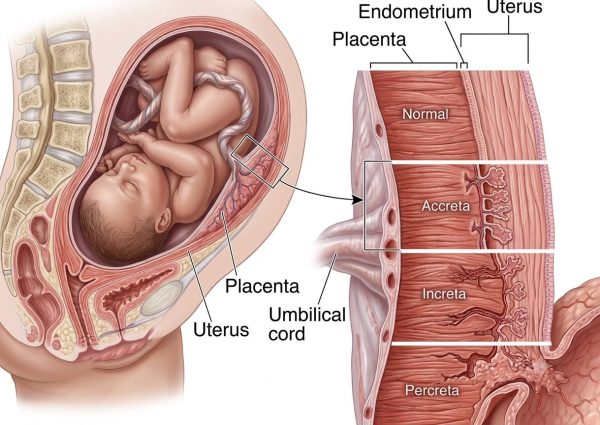
If you are diagnosed with placenta previa, I will work closely with you to reduce the risk of bleeding and help you have the safest possible pregnancy and delivery. Depending on your condition, I may recommend that you reduce physical activity, avoid sexual intercourse, and avoid activities that place pressure on your cervix, as these measures can help lower the risk of significant bleeding. If bleeding occurs, I may advise hospital admission so that I can closely monitor both you and your baby. During your stay, I may request blood tests, establish intravenous (IV) access in case a blood transfusion becomes necessary, and, if an early delivery is anticipated, administer corticosteroids to help your baby’s lungs mature before birth.
I diagnose placenta previa using a detailed ultrasound examination, which often includes both abdominal and transvaginal ultrasound to accurately determine the location of your placenta. Because the placenta can move upward as your uterus grows, I may recommend repeat ultrasounds throughout your pregnancy to monitor its position and determine the safest plan for delivery.
The treatment I recommend will depend on several factors, including the amount of bleeding you are experiencing, how far along you are in your pregnancy, the health of you and your baby, and the exact position of the placenta. My primary goal is to control bleeding while allowing your pregnancy to continue safely for as long as possible. If your bleeding is minimal, I may recommend rest, close observation, and regular follow-up. However, if you develop heavy or recurrent bleeding, I may recommend hospital care and plan for a Cesarean delivery. If the bleeding becomes severe and cannot be controlled, I will perform an emergency Cesarean section to protect both your life and your baby’s. Because the placenta covers or lies very close to the cervix, vaginal delivery is generally not recommended, as it carries a significant risk of life-threatening hemorrhage. I understand that receiving a diagnosis of placenta previa can be overwhelming, and I will be with you every step of the way, providing clear guidance and compassionate care.
After your baby is born, I will continue to monitor you closely for bleeding and other postpartum complications. Your recovery plan may include effective pain control, careful monitoring of your surgical incision if you had a Cesarean delivery, and breastfeeding support to help you and your baby get off to a healthy start. If necessary, I may recommend blood transfusions, medications that help your uterus contract, or uterine massage to control bleeding. For women with more complicated cases or those who require additional surgical procedures, I will arrange ongoing follow-up to ensure a smooth recovery. If you have a Cesarean delivery, I will also advise you to avoid heavy lifting, get adequate rest, and gradually return to your normal activities over the following weeks while I continue to monitor your healing and overall well-being.