During EXIT procedure, my first priority is to ensure that a secure airway is established before your baby is fully delivered and transferred to the neonatology team. If genetic testing was not performed during pregnancy, I may recommend obtaining it after delivery to look for any associated genetic conditions. Depending on your baby’s findings, I may also request additional studies, such as an echocardiogram, spinal imaging, or ultrasound of the kidneys and urinary tract, to identify any associated abnormalities. I’ll also ensure that we evaluate for any abnormal connection between the airway and the esophagus, as this may require additional treatment.
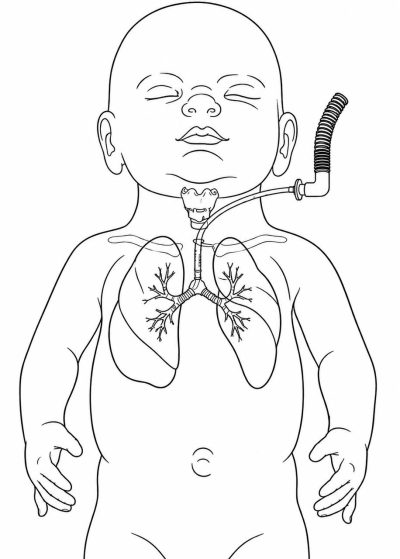 During your baby’s recovery, I’ll carefully monitor breathing, circulation, and overall progress with our neonatal intensive care team. Some babies may need temporary mechanical ventilation, especially if the airway is soft or the diaphragm has been weakened by the enlarged lungs during pregnancy. Fortunately, many infants gradually improve over the first few months of life as the diaphragm recovers, allowing us to reduce breathing support over time. Once your baby is strong enough, we can plan definitive airway reconstruction, usually during the first year of life when appropriate. Throughout this journey, my focus is not only on securing your baby’s airway but also on helping you understand every step of the treatment plan. Because CHAOS is a rare and highly complex condition, I recommend receiving care in a specialized fetal therapy center like The Medical City Ortigas with advanced neonatal intensive care, and complex pediatric airway reconstruction.