
If you are at risk for or have been diagnosed with thrombophilia, I will perform a thorough evaluation to determine the safest treatment plan for you and your baby. Your assessment may include blood tests to identify inherited or acquired clotting disorders, a comprehensive physical examination, and, when necessary, an ultrasound to evaluate your pregnancy or detect the presence of blood clots. I will also review your personal and family history to identify any factors that increase your risk of abnormal blood clotting. I encourage you to let me know immediately if you experience symptoms such as abdominal or chest pain, swelling, warmth or numbness in an arm or leg, or pain while walking or standing, as early diagnosis allows me to begin treatment promptly and reduce the risk of serious complications.
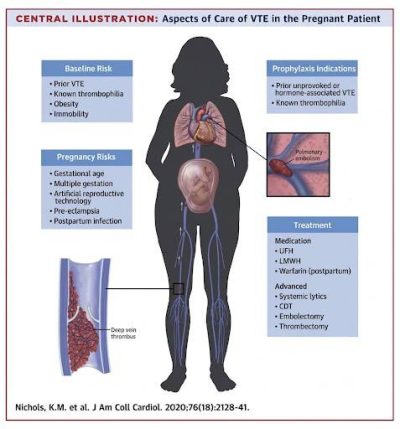
Once your evaluation is complete, I will create a personalized treatment plan based on your individual condition, the location of any blood clots, and your overall pregnancy health. In many cases, I may prescribe blood-thinning medication, most commonly low-molecular-weight heparin (LMWH), to help prevent new clots from forming and reduce the risk of pregnancy complications. I will monitor your treatment closely with regular follow-up visits and laboratory tests when indicated to ensure that your medication is working effectively while minimizing the risk of bleeding. Depending on your situation, I may also recommend compression stockings, regular gentle physical activity, a heart-healthy diet, and other lifestyle changes that improve circulation. If you have experienced venous thrombosis during pregnancy, I will closely monitor both you and your baby through blood pressure checks, blood tests, ultrasound examinations, Doppler ultrasound studies, and fetal heart monitoring to ensure that your pregnancy continues safely.
Although thrombophilia cannot be cured, it can be successfully managed with ongoing treatment and careful follow-up. Many women with thrombophilia go on to have healthy pregnancies and healthy babies. I will continue to work closely with you throughout your pregnancy and after delivery, adjusting your treatment as needed and providing guidance on safely taking anticoagulant medications. I will also advise you to take simple precautions to reduce your risk of bleeding, such as avoiding activities that could cause injury and limiting alcohol intake when appropriate.