If your baby is diagnosed with CPAM, I will work with you to develop a safe delivery plan that ensures your baby receives specialized care immediately after birth. Babies with CPAM may experience breathing difficulties, underdeveloped lungs, or increased pressure in the blood vessels of the lungs. Because of these potential complications, I recommend that you deliver at a medical center such as The Medical City Ortigas with a Neonatal Intensive Care Unit (NICU) and access to pediatric surgeons who are experienced in managing babies with complex lung conditions.
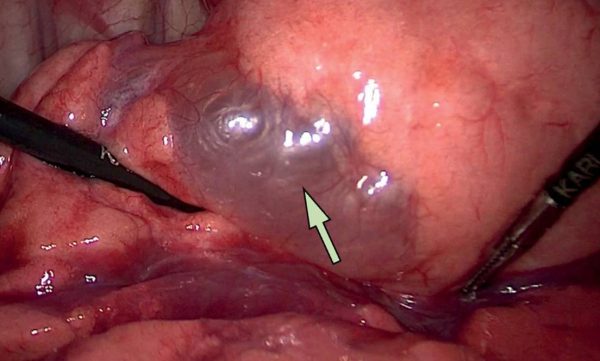
After your baby is born, I will coordinate with the neonatal and pediatric surgical teams to determine the best time for surgery. In most cases, the abnormal lung lesion should be removed because it can become infected or, although very rarely, develop into a tum or later in life. If your baby is breathing well and has no immediate symptoms, you may be able to go home first, and surgery can be safely scheduled within the first year of life. However, if the lesion is large and interferes with normal breathing, I may recommend surgery immediately after birth. In selected cases, I may discuss a specialized delivery approach called the Ex Utero Intrapartum Treatment (EXIT) procedure, in which your baby is delivered by Cesarean section while remaining connected to the placenta, allowing the pediatric surgical team to secure the airway or perform life-saving interventions before the umbilical cord is clamped. Some babies may also require temporary breathing support with a ventilator or, in more severe cases, Extracorporeal Membrane Oxygenation (ECMO), a specialized heart-lung bypass system that supports the baby while the lungs recover.
The good news is that the vast majority of babies with CPAM recover very well after the abnormal lung tissue is removed and go on to live healthy, active lives. In rare cases, babies who had very large lung lesions may have smaller lungs and develop chronic lung disease.