The placenta is an organ that develops during pregnancy inside of the uterus, and provides oxygen and nutrients to and removes waste products from your baby. The placenta is connected to your baby through the umbilical cord. In most pregnancies, the placenta is attached at the side or the top of the uterus. It sits low during early pregnancy and moves up toward the top of the womb by the third trimester.
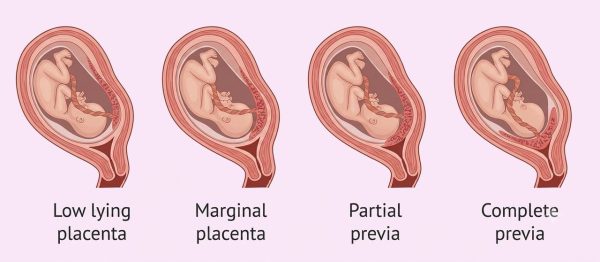
Placenta previa is a condition that occurs when a baby’s placenta grows into the wall of the uterus, causing total or partial coverage of the mother’s cervix (the opening of the birth canal). This can result in severe vaginal bleeding during pregnancy and delivery, which poses a risk to both the mother and fetus.
There are two main types of placenta previa: complete previa and marginal previa. With complete or total placenta previa, the placenta covers the whole opening of the cervix. With marginal previa, the placenta covers a part of the cervix. For women diagnosed with this condition early in their pregnancies, the placenta previa may resolve. However, if it is diagnosed later in pregnancy or the placenta covers the entire cervix, it is less likely to improve on its own.
COMMON SYMPTOMS OF PLACENTA PREVIA
- Painless bleeding during the second half of your pregnancy, which can range from light to heavy.
- Contractions along with bleeding.
- Anemia, pale skin, or low blood pressure due to blood loss.