
Recurrent pregnancy loss (RPL) is defined as the miscarriage of two or more clinical pregnancies.
The risk of a single miscarriage ranges from 15% to 50% or more per pregnancy, depending on a woman’s age, and is most often due to abnormal chromosome content in the pregnancy. In contrast, approximately 1-2% of couples suffer from RPL.
Early pregnancy loss is defined as the termination of pregnancy before 20 weeks’ gestation or with a fetal weight of less than 500 g. According to the American Society for Reproductive Medicine (ASRM) and the European Society for Human Reproduction and Embryology, recurrent pregnancy loss is defined by the spontaneous loss of two or more pregnancies.
Known risk factors for RPL include:
Parental genetic abnormalities (karyotype)
Uterine anatomic abnormalities
Immunologic abnormalities
Hormonal issues
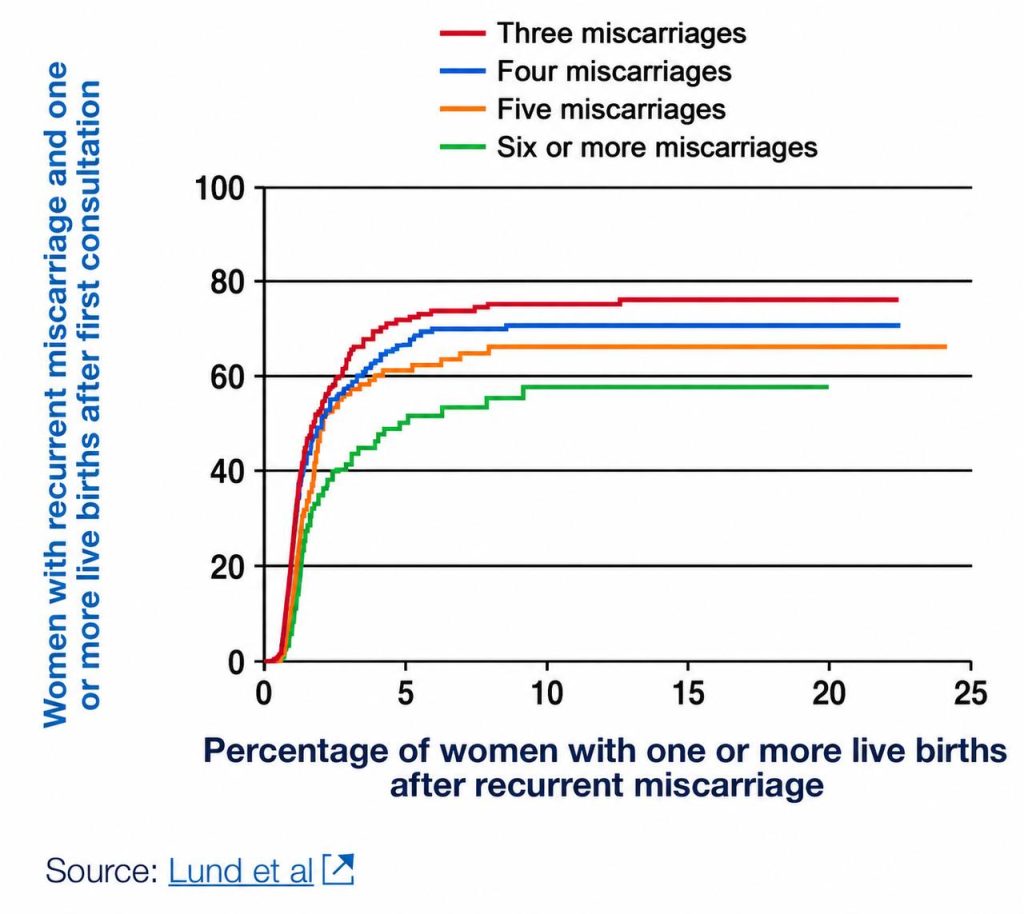 Experiencing repeated pregnancy loss can be physically and emotionally difficult, especially when you are left wondering why it keeps happening. In some cases, even after a thorough evaluation, no definite cause is identified—this is known as unexplained recurrent pregnancy loss (RPL). If you have experienced recurrent miscarriages, I am here to help you understand the possible reasons, carefully evaluate factors that may be contributing to your losses, and guide you through evidence-based options as you prepare for another pregnancy.